How to apply perfume begins with clean, moisturized skin, strategic spraying, and moderation. Apply 1 to 3 sprays to warm pulse points, allow the scent to dry naturally, and adjust based on fragrance intensity for a lasting but unobtrusive effect.
In This Article
You’ll discover where to put perfume for improved projection, understand why your skin should be clean, and learn how to adjust the number of sprays depending on the fragrance concentration. The application process is very straightforward: moisturize, select the areas to spray, apply from a distance, and stop spraying before it is too much. The reality is, however, that the method for applying perfume will depend on the juice you are using, the nature of your skin and the environment you are going to be entering.
The article also refers to Eau de Parfum, Eau de Toilette, Cologne and Perfume as types of fragrance, and not only terms on the bottle. The article describes how top notes disappear, the importance of body lotion in extending the life of the fragrance, and how brands like Jo Malone, Clinique, Rabanne, Byrdie, Vogue and FragranceX describe their own fragrance application advice in the fragrance world.
How To Use Perfume So It Lasts Longer
For a start, apply your perfume on clean skin as sweat, sunscreen and scented items can distort the smell. To make the most of how to put on perfume, start with one spray if the perfume is very strong, two sprays for daily use and three sprays when the scent is very light or the environment is very open.
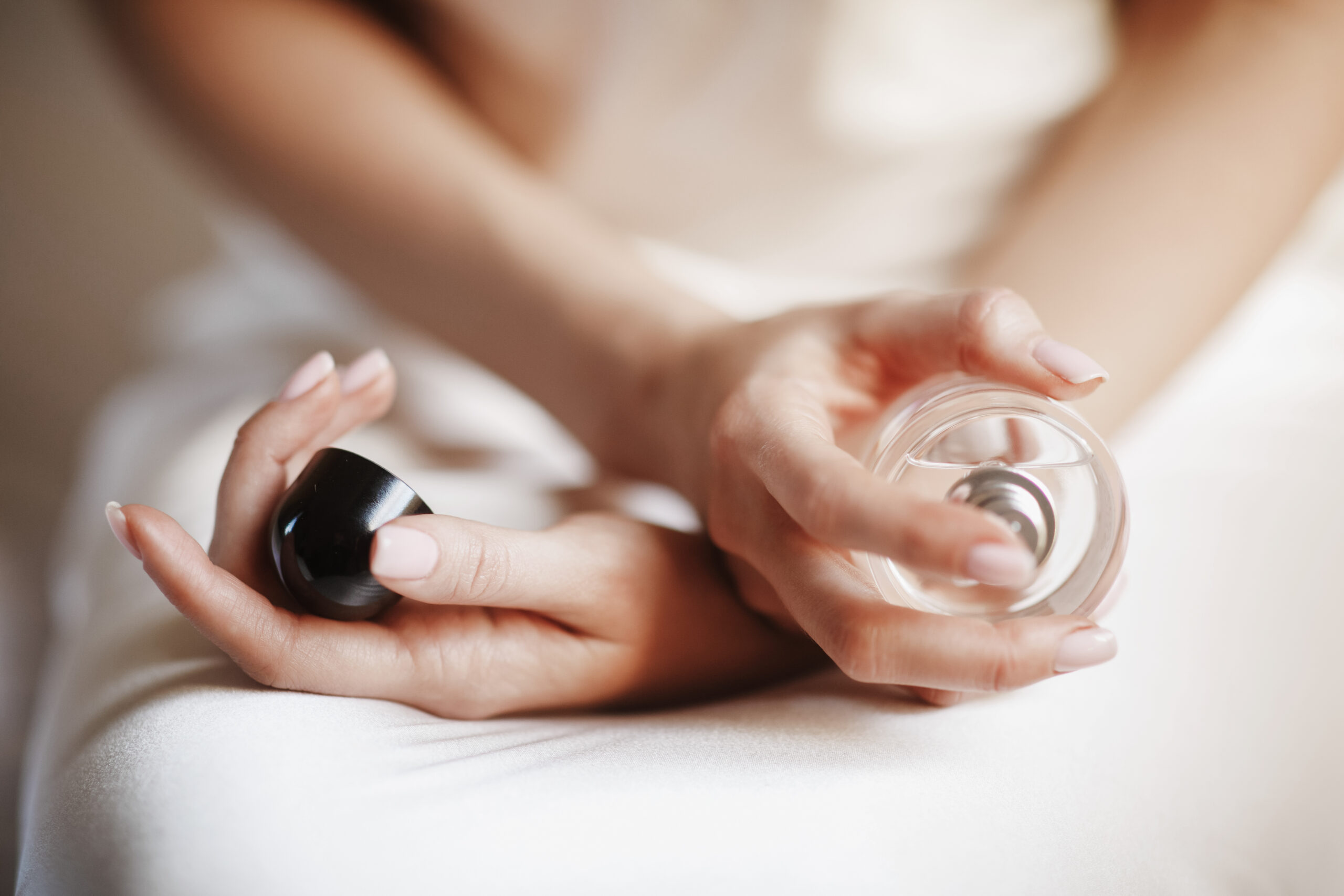
It is also important not to rub your wrists together after spraying your perfume. Doing so smears the perfume and can alter the opening making it harsh or too short. Instead, spray, wait and allow the perfume to dry down naturally. It is worth pausing here to make sure you understand this. Perfume needs air and warmth from your skin to diffuse naturally.
Apply Directly To Clean Skin
Your skin is the ideal place to apply perfume as body heat helps to diffuse it more evenly. If you want to know how to apply cologne, apply to warm skin rather than to your shirt. Clothing retains scent differently and some oils and darker juice can stain certain fabrics. A jacket may keep a trace for a few days but it will not diffuse like a scent on skin.
Spritz Post-Shower On Moisturized Skin
The ideal time to apply perfume is after bathing, while skin is still clean but not damp. To get the most out of how to apply fragrance, apply an unscented body lotion first and then apply your perfume once it has been absorbed. Alternatively, you can use a light body oil. Ensure it is unscented as it will interfere with your perfume.
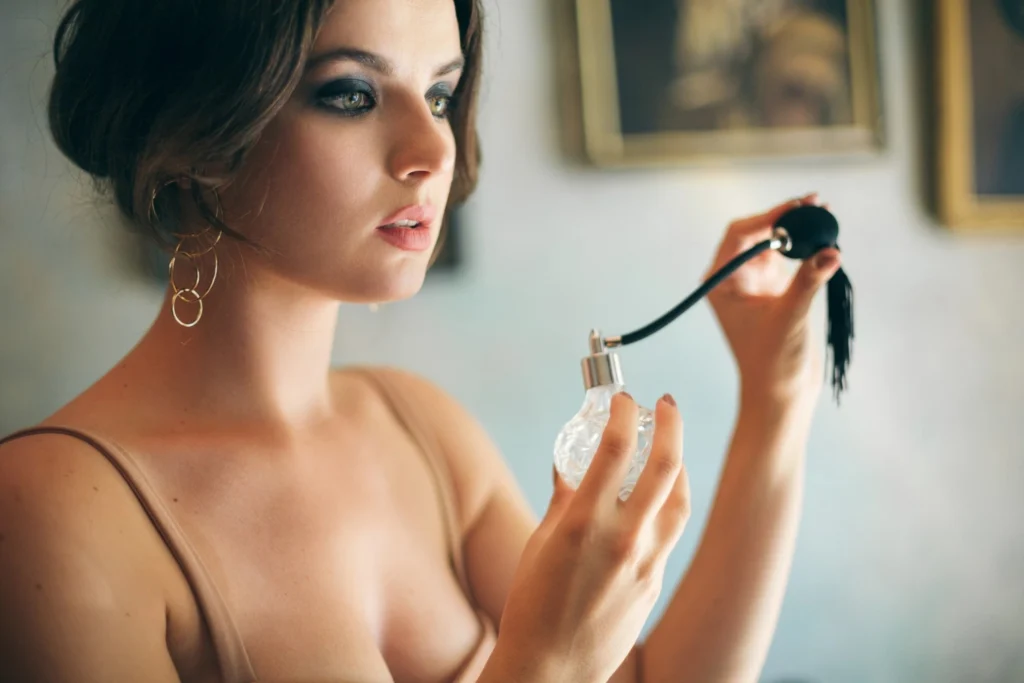
Where To Apply Perfume On Skin And Pulse Points
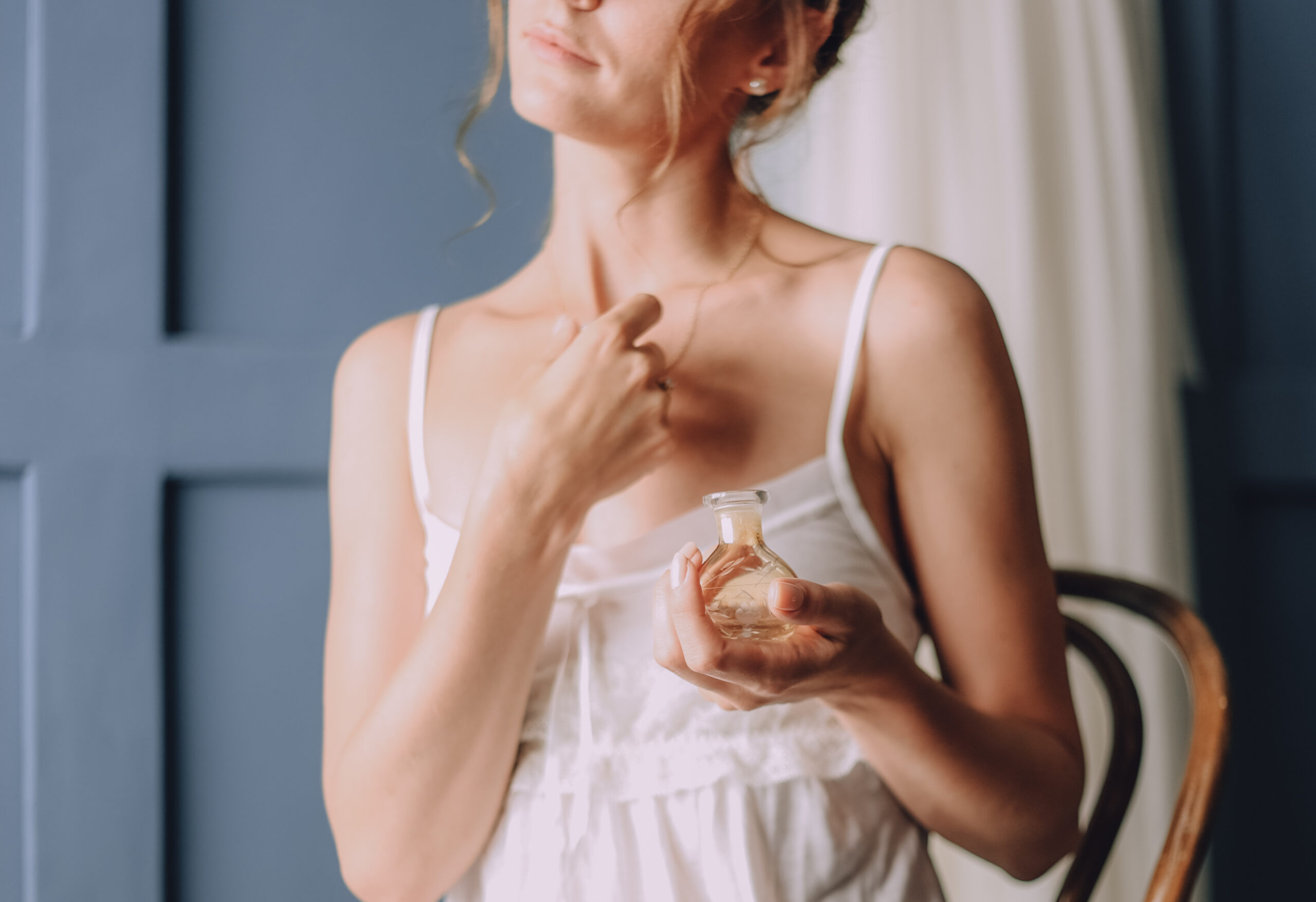
The most effective pulse points include the wrists, sides of the neck, center of the chest, and behind the ears. These are warm spots that help the fragrance travel without requiring reapplication. If you are wondering where to spray cologne, the chest and neck may feel better in confined spaces than both wrists.
Behind the ears projects nicely in intimate moments, while the chest lets fragrance sit under fabric and diffuse slowly. Jo Malone suggests applying cologne with care, and Jo Malone’s advice on how to apply cologne is a good read if you want subtler scent trails.
Places To Avoid Spraying
Never spray your perfume near your eyes, on damaged skin, or on freshly shaved areas. Even perfume after shower needs time to settle. You can apply fragrance to hair, but too much spray can leave hair dry. Take care around silk, light colors, pearls, and plated jewelry, since the oil in perfume can stain or tarnish.
Common Perfume Application Mistakes
The most common error is adding extra sprays to compensate for lack of longevity. Usually it is dry skin, poor location, or a fragrance with a lighter concentration. If you spray too near your skin, you will get a damp spot which smells rich initially but fades away later.
Another typical misstep is spraying on in lifts, vehicles or tiny workspaces. A fragrance that sounds great outside might be overwhelming inside. For further information on proper perfume application, see Rabanne’s guide on how to apply perfume and read Byrdie’s article on perfume application by an expert.
Choosing The Right Fragrance Strength
The higher the concentration, the more you need. Perfume is generally the most concentrated. Eau de Parfum is usually less intense and will last longer with less application. Eau de Toilette is more fresh and light, and might need to be re-applied. Cologne is the most casual and lightest of the bunch.
And here’s where it gets interesting. Longevity isn’t just about concentration. Fragrance notes can play a role, too. Citrus and aromatic top notes tend to dissipate more quickly, while woods, resins, vanilla, and musks tend to last longer. Clinique offers good perfume wearing tips, including applying a moisturizing lotion first.
Understand The Fragrance Lifecycle
Top notes are the first impression. They’re usually the freshest notes in a fragrance. Heart notes kick in when the fragrance warms up on the skin, and are the main character of the scent. Base notes come in last and leave the longest-lasting impression. Give your fragrance time to dry down before making a judgment. It takes longer than one minute.
How To Test A Perfume Before Wearing It
Testing on skin and not only on paper is always important, because while blotters are great to help narrow your choice, the chemistry on your skin will change a perfume’s sweetness, sharpness, or warmth. Spray one fragrance on each wrist or forearm and wait before you decide if you’re going to buy it. Don’t only judge the opening notes.
You shouldn’t test too many scents at one time. After testing three or four scents, your nose will get tired and everything will start to sound the same. Vogue covers buying, wearing, and storing scent in Vogue’s perfume application and storage advice.
Scent Layering Without Clashing
The best layering is where the other product remains as subtle as possible. Opt for an unscented body lotion, or even a body wash that has a similar note to your fragrance. Rose scent works well with musk, while a citrus scent will complement clean wood. Don’t attempt to blend two powerful scents together.
If you want more control, try out single note fragrances. Woody notes will add dryness and polish to your fragrance, while musky notes will make your fragrance feel softer and more skin-like. However, the problem with this technique is if both of your fragrances contain a strong sweetness, spice, and amber notes, the end result will be more muddy than layered.
How To Make Perfume Last All Day
But you also want to make sure you’re making the most of your time with your perfume, and this begins well before you start spraying. Moisturized skin keeps a fragrance on longer than dry skin does, so you should start with a body lotion first and wait for it to absorb. If you know you’ll be out and about all day, consider keeping a travel spray in your bag and not just dousing yourself with five sprays in your apartment. A small, midday refresh will smell much better than one massive blast.
The same goes for storage. You don’t want to expose your perfume to excess heat, sunlight, or big swings in temperature. So no storing it in your bathroom next to the steamy shower. If you’re looking for a little more practical advice on cologne application, check out FragranceX’s helpful guide to applying cologne here, and apply the same wisdom to most spray fragrances.
- Apply your perfume to clean and moisturized skin to help your body heat diffuse the fragrance.
- Pulse points such as wrists, neck, chest, and behind the ears are good spots to spray your fragrance.
- Don’t rub in your perfume after you spray it as this can disrupt the fragrance’s drydown.
- The strength of a fragrance will determine how many sprays you need and how long it will last.
- Don’t store your perfume in an area exposed to heat, sunlight, or big temperature swings.
Frequently asked questions
What Is The Best Way To Apply Cologne Without Overdoing It?
Apply just one or two sprays onto your warm skin and hold back from adding more. The same discipline will come in handy when you’re practicing how to put on perfume for everyday use. If you are uncertain about where to apply cologne, opt for chest and neck initially. For lighter fragrances, feel free to add a wrist spray.
Where Do You Spray Cologne For The Longest-Lasting Scent?
For the best result, spray cologne on warm, clean skin, such as the chest, lower neck, or inner wrists. These areas provide a good release of scent over time as the body heats up. Do not just spray cologne on clothes if you want it to age naturally.
Is It Better To Apply Fragrance Before Or After Moisturizer?
First, put on moisturizer and wait for it to sink in. Once the lotion has been absorbed, you can apply the fragrance. This is the best way to apply how to apply fragrance on dry skin. Use an unscented lotion or a body cream with a similar scent. Don’t use strongly scented body creams since they can alter the fragrance.
How Long Should You Wait After Spraying Perfume Before Getting Dressed?
Wait a minute before dressing to let the perfume settle and avoid transferring it onto your clothes. When asking where to put perfume, we would recommend applying to the skin first, as well as allowing it time to dry in order to protect fine fabrics and precious jewelry.
Can Body Lotion Or Body Oil Make Perfume Last Longer?
Indeed, applying body lotion or a light body oil beforehand will make a perfume last longer, as hydrated skin retains the scent. This is one of the core points of how to use perfume. However, use an unscented lotion or oil, or one that does not conflict with the fragrance family.
How Should Perfume Be Stored To Prevent It From Changing Smell?
The best way to store perfume bottles is in a cool, dark, and dry area. Heat, light, and humidity will alter the fragrance over time. Just as important as where to apply perfume, proper storage is essential. Keep your perfume away from a bathroom counter. A closet or dresser is preferable.
How to apply perfume really is about the skin, the place you put it, and the amount of it. You want to spray it on clean, moisturised skin, perhaps after a shower, focusing on pulse points like the wrists, the neck, the chest, and behind the ears. Let it dry naturally without rubbing. Select the right strength for the occasion, smell the scent all the way through to its drydown before buying, and layer only if the notes go together. Keep them stored properly and apply with a light hand, and your perfume will smell truer, stay longer, and feel more refined instead of too strong.